Professional local landscaping gardeners services bring expertise, efficiency and aesthetic transformation to outdoor spaces across the UK. Whether you manage a commercial estate or nurture a private garden, finding the right provider can feel daunting when comparing hard landscaping, soft landscaping and ongoing grounds maintenance. This guide maps out key service categories, decision-making criteria, cost insights and action steps for booking consultations all centred on discovering the best local landscaping gardeners services for your needs.
In this article you will learn:
- Fundamental service types from paving and patios to planting and seasonal upkeep
- Selection essentials, including qualifications, local expertise and reviews
- Core benefits of professional landscaping, such as value uplift and long-term savings
- Transparent pricing factors across hard and soft landscaping projects
- Tailored solutions for commercial versus residential properties
- A clear process for arranging free quotes and project planning
- Direct answers to common questions about hard vs. soft landscaping, scheduling and sustainable practices
By the end, you’ll understand how expert gardeners and landscapers can enhance your property’s appeal, boost its value and ensure lasting outdoor wellness.
What Are the Key Local Gardening and Landscaping Services Available?
Local gardening and landscaping services span hardscaping, planting schemes and routine grounds maintenance to keep outdoor areas functional and beautiful. Providers usually group offerings into four categories hard landscaping, soft landscaping, grounds maintenance and specialist treatments so you can choose services that align with your project scope and budget.
Which Hard Landscaping Services Can Transform Your Outdoor Space?
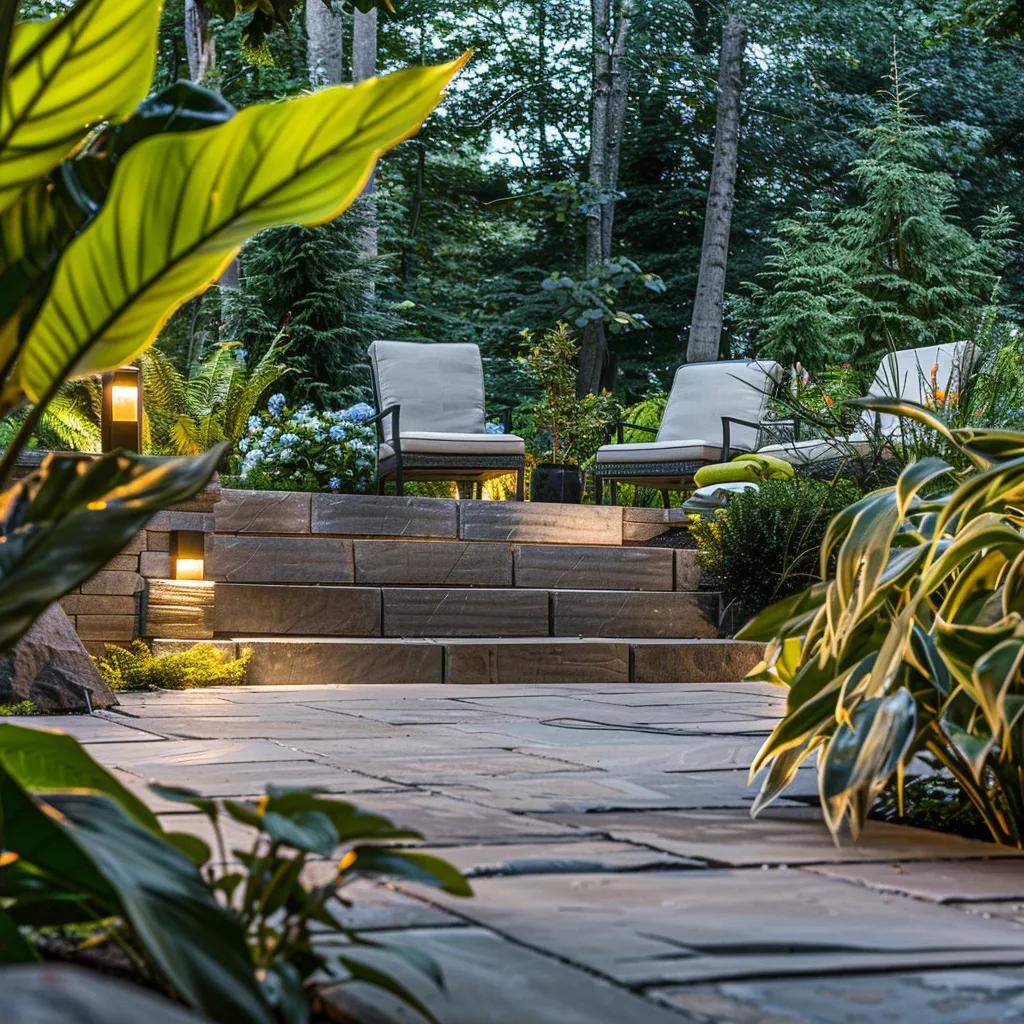
Hard landscaping refers to the installation of permanent structural features that define pathways, patios and boundaries. It transforms raw outdoor space into usable living areas through careful design and durable materials.
- Patios and Paving: Installing natural stone or porcelain paving slabs to create seating areas and walkways.
- Driveways and Pathways: Laying block paving or resin-bound surfaces for vehicle access and foot traffic.
- Fencing and Walls: Erecting timber, metal or masonry boundaries to enhance privacy and security.
- Decking and Pergolas: Building raised wooden decks or stylish pergolas for relaxation and entertainment.
These structural elements not only improve functionality and curb appeal but also establish design anchors for planting schemes and lawn areas.
What Does Soft Landscaping Include for Garden Enhancement?
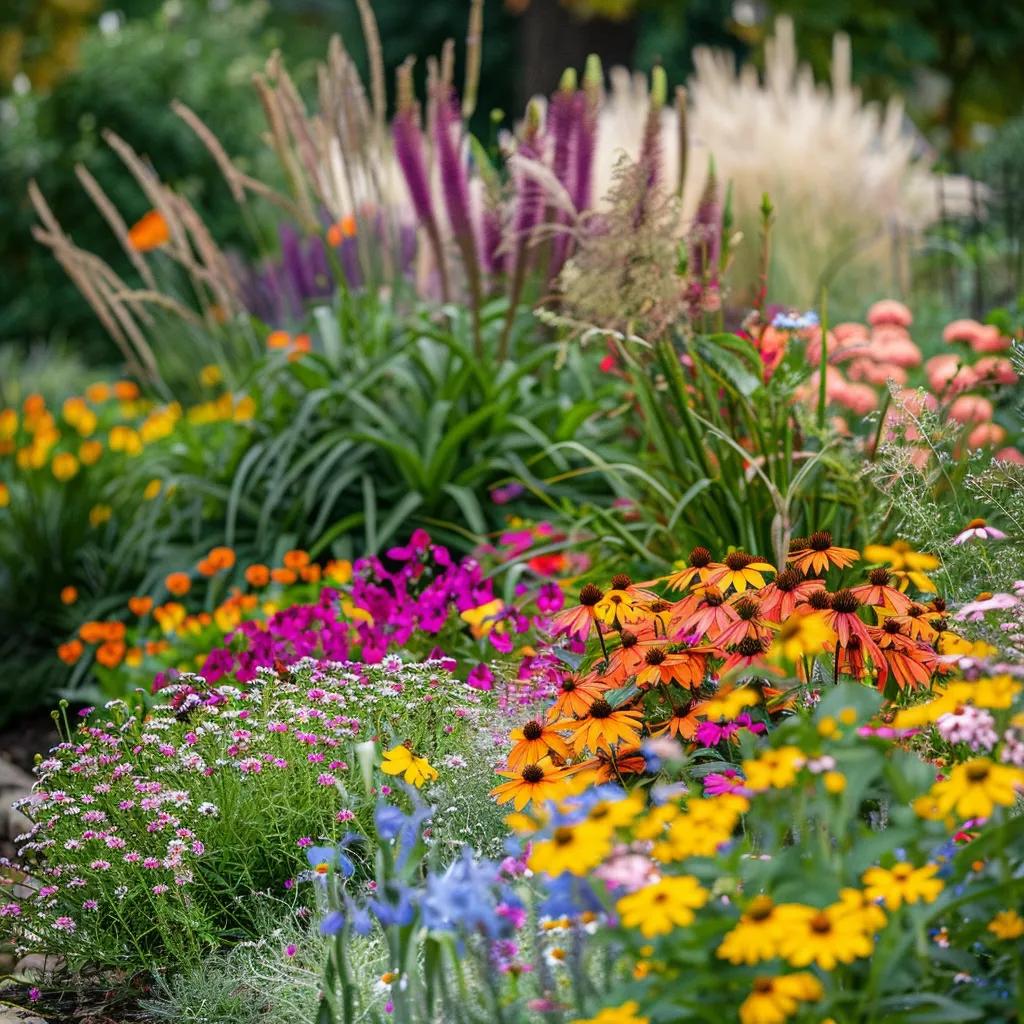
Soft landscaping focuses on living, horticultural elements that introduce colour, texture and biodiversity. Through careful selection and placement, soft landscaping cultivates thriving plant communities.
- Planting Beds and Borders – Designing and planting flowers, shrubs and bulbs to create seasonal interest.
- Turfing and Lawn Installation – Laying turf or sowing grass seed to establish a healthy, even lawn.
- Shrub and Flower Care – Pruning, feeding and mulching to support plant health and development.
- Soil Improvement – Incorporating compost and soil conditioners to promote root vitality.
Integrating these living features with hard landscaping elevates garden character and supports local ecosystems.
How Does Professional Grounds Maintenance Support Property Management?
Professional grounds maintenance provides regular care that preserves landscape investments and ensures consistent presentation.
| Entity | Attribute | Value |
|---|---|---|
| Lawn care | Frequency | Weekly mowing, edging and feeding during growing season |
| Hedge trimming | Timing | Trimmed twice a year to maintain shape and promote dense growth |
| Weed control | Method | Selective herbicide application or manual removal to protect plants and surfaces |
| Seasonal upkeep | Services | Spring and autumn clearances, winter protection and seasonal planting refreshes |
Routine maintenance prevents overgrowth, supports plant health and mitigates costly repairs—laying the groundwork for long-term landscape resilience.
What Specialised Services Are Offered by Local Gardeners?
Beyond core hard and soft landscaping, many gardeners provide specialist treatments that address unique site challenges and finer details.
- Tree Surgery – Safe pruning, crown reduction and stump removal to manage tree health and safety.
- Patio Cleaning – Pressure washing to remove algae, moss and ingrained dirt for slip-free surfaces.
- Driveway Washing – High-pressure cleaning to restore the appearance of block paving and tarmac.
- Garden Clearance – Removal of debris, overgrown vegetation and waste to prepare for renovation or sale.
Specialist services enhance safety, hygiene and visual impact—often serving as critical precursors to larger landscaping projects.
How to Choose the Best Local Gardening Services for Your Specific Needs?
Selecting the right gardening or landscaping provider requires evaluating qualifications, local insights, customer feedback and the right questions to ask before hiring.
What Qualifications and Accreditations Should You Look For?
Landscaping and gardening accreditations signal professionalism, technical skill and adherence to industry standards.
- British Association of Landscape Industries (BALI) membership
- Horticultural Trades Association (HTA) certification
- Industry awards or recognised project credentials
Verifying these qualifications ensures that providers follow best-practice installation methods, safety protocols and environmental guidelines.
Why Is Local Expertise Important for Gardening and Landscaping?
Local knowledge translates into timely service delivery, responsiveness to weather patterns and familiarity with regional plant species.
- Proximity allows rapid project adjustments and emergency call-outs
- Understanding local soil types and drainage conditions optimises plant selection
- Familiarity with climate nuances supports season-specific maintenance plans
Partnering with a local team reduces logistical delays and enhances ongoing landscape performance.
How Do Customer Reviews and Case Studies Influence Your Choice?
Real-world feedback and project examples demonstrate reliability, workmanship quality and the ability to deliver on design promises.
- Read testimonials on Google Business Profile or Trustpilot to gauge customer satisfaction.
- Review before-and-after galleries showcasing similar commercial or residential projects.
- Ask for references from past clients to confirm on-time delivery and post-installation support.
These insights highlight providers who consistently meet expectations and address any unexpected challenges.
What Questions Should You Ask Before Hiring a Gardener or Landscaper?
Preparing targeted questions uncovers scope clarity, pricing transparency and maintenance responsibilities.
- “Can you outline the complete service scope and timeline for my project?”
- “How do you structure pricing—fixed package or itemised rates?”
- “Who manages site communication and quality checks during installation?”
- “What guarantees or warranty terms apply to materials and workmanship?”
Clear answers establish mutual understanding, reduce risk and set realistic expectations from the outset.
What Are the Benefits of Hiring Professional Local Gardeners and Landscapers?
Engaging expert landscapers and gardeners yields enhanced aesthetics, property value uplift and sustainable cost savings over time.
How Does Expert Landscaping Improve Property Value and Appeal?
Professional landscaping integrates design principles, plant selection and durable materials to create outdoor environments that attract buyers and tenants.
- Enhanced kerb appeal can boost market value by up to 15%**
Benefits of Professional Landscaping
Professional landscaping can significantly increase a property’s market value. Well-designed outdoor spaces create an inviting atmosphere, which can boost property value by up to 15% and attract potential buyers or tenants.
Real Estate Research Institute
This research supports the article’s claim about the financial benefits of professional landscaping.
- Cohesive plant palettes and hardscape features craft inviting, functional living areas
- Quality workmanship minimises maintenance concerns for prospective buyers
A thoughtfully landscaped property stands out, maximising both aesthetic enjoyment and return on investment.
What Long-Term Savings Come from Regular Grounds Maintenance?
Routine care prevents minor issues from escalating into costly repairs and extends the lifespan of installed features.
- Prevents root invasion under paving and hard surfaces
- Detects pest or disease outbreaks early, avoiding plant losses
- Ensures timely resealing of drives and patios to protect against frost damage
Consistent upkeep reduces emergency call-outs and prolongs the life of landscape investments.
How Do Sustainable and Environmentally Friendly Practices Enhance Gardens?
Eco-friendly landscaping nurtures biodiversity, conserves resources and fosters resilient ecosystems.
| Entity | Attribute | Value |
|---|---|---|
| Native planting schemes | Benefit | Supports pollinators and local wildlife |
| Rainwater harvesting | Water savings | Captures up to 50% of irrigation needs |
| Wildflower meadows | Maintenance req. | Low-input grasslands that bloom annually to enrich soil |
| Organic soil amendments | Soil health | Improves structure without chemical residues |
Sustainability practices create healthier gardens that thrive with minimal intervention and contribute to local environmental goals.
How Much Do Local Gardening and Landscaping Services Cost in the UK?
Understanding the cost drivers behind landscaping projects helps you budget accurately and compare quotes effectively.
What Factors Influence the Cost of Hard Landscaping Projects?
Hard landscaping pricing hinges on material choice, surface area and project complexity.
| Entity | Attribute | Value |
|---|---|---|
| Paving slabs | Material cost | £25–£60 per m² depending on natural stone or porcelain |
| Site preparation | Labour | £20–£35 per hour for excavation, levelling and base installation |
| Design complexity | Project scope | Intricate patterns or custom features typically add 15–25% to total costs |
| Drainage solutions | Additional work | Installed channel drains or permeable sub-bases can increase overall budget |
Cost of Hard Landscaping Projects
The cost of hard landscaping projects is influenced by several factors, including material costs, labor, and design complexity. For example, paving slabs can range from £25 to £60 per square meter, depending on the material used.
Landscaping Cost Guide (2024)
This cost guide provides specific pricing information that supports the article’s discussion of hard landscaping costs.
These variables determine final quotes and guide decisions on material selection versus long-term durability.
How Are Soft Landscaping Services Priced?
Soft landscaping fees reflect plant types, labour intensity and seasonal timing.
- Turf installation: from £6 per m² for seed and labour
- Shrub planting: £15–£40 per plant, including soil preparation
- Flower bed design: £150–£300 per bed, dependent on plant variety and style
Pricing adjusts for specialist trees, mature specimen planting and bespoke garden designs.
What Are Typical Prices for Grounds Maintenance Contracts?
Ongoing maintenance costs vary by visit frequency, property size and service scope.
- Small residential garden: £25–£40 per visit for lawn mowing and basic weeding.
- Medium commercial site: £200–£350 monthly for lawn care, hedge trimming and seasonal planting.
- Large estate grounds: £1,000+ monthly for comprehensive grounds care with dedicated team.
Contract terms impact overall value—longer agreements may include priority scheduling and reduced call-out fees.
Where Can You Find Reliable Cost Guides for Specific Services?
Detailed cost guides help you benchmark quotes and understand market rates:
- Patio installation cost guide: Explore detailed pricing
- Fence installation price guide: Compare timber and composite fencing
- Driveway cleaning cost overview: View pressure-washing rates
These resources ensure transparent budgeting and informed decision-making.
Which Local Gardening Services Are Best for Commercial vs. Residential Properties?
Service priorities shift depending on property type, from branding and public safety to private enjoyment and design flair.
What Commercial Landscaping Solutions Support Business Premises?
Commercial landscaping emphasises consistency, brand alignment and compliance with health & safety standards.
- Regular grounds maintenance contracts to guarantee pristine presentation
- Custom planting schemes that reinforce corporate identity and visitor experience
- Hard landscaping installations—such as accessible paths and signage features—woven into site branding
These solutions create professional, well-managed environments that support business operations and stakeholder impressions.
How Do Residential Landscaping Services Transform Private Gardens?
Residential landscapers focus on personal style, outdoor living and manageable maintenance.
| Entity | Attribute | Value |
|---|---|---|
| Garden design & build | Custom features | Water features, entertainment terraces and mood lighting |
| Decking & pergolas | Material selection | Timber, composite decks or bespoke metal pergolas for year-round use |
| Seasonal maintenance | Frequency | Monthly visits for lawn care, planting refresh and mulch renewal |
Tailored designs convert backyards into relaxing retreats and increase everyday enjoyment.
What Specialized Services Cater to Both Commercial and Residential Clients?
Certain services meet the needs of both sectors, blending technical skill with aesthetic precision.
- Tree surgery: Ensures healthy canopies and safe storm-damage prevention
- Fencing installation: Provides security and visual boundaries for homes and businesses
- Exterior cleaning: Enhances slip resistance and surface longevity on patios and driveways
These versatile offerings deliver functional improvements and visual rejuvenation regardless of property type.
How Can You Get Started with Local Gardening Services Today?
Engaging a professional gardener or landscaper begins with a clear, straightforward consultation and quote process.
What Is the Process for Booking a Free Consultation or Quote?
- Online enquiry or phone call: Submit garden dimensions, project objectives and preferred timelines.
- Site visit and assessment: A qualified specialist surveys the space, inspects soil and discusses design ideas.
- Detailed proposal: Receive a written quote with service breakdowns, material specifications and project schedule.
This structured approach ensures you understand all aspects before committing.
How Do Local Gardeners Assess Your Outdoor Space Needs?
During the site analysis, professionals evaluate multiple factors that influence design and maintenance.
- Topography and drainage conditions determine grading and water management plans.
- Soil type and existing vegetation inform plant selection and soil amendment requirements.
- Access points and utilities shape equipment choices and installation logistics.
Comprehensive assessments minimise surprises and allow accurate cost estimations.
What Should You Expect During the Project Planning and Execution?
A transparent project plan balances timelines, communication and quality assurance measures.
- Timeline milestones: Defined start, midway checks and completion dates.
- Regular updates: Weekly progress reports via email or phone.
- Final walkthrough: Joint inspection to confirm satisfaction, followed by maintenance recommendations.
Clear communication throughout the build phase ensures your vision translates into lasting landscape beauty.
What Are Common Questions About Local Gardening and Landscaping Services?
Understanding core distinctions and scheduling norms helps you make informed choices and maintain newly installed features.
What Is the Difference Between Hard and Soft Landscaping?
Hard landscaping covers non-living structural elements (patios, driveways, fences) that create durable outdoor frameworks, whereas soft landscaping focuses on living plant material turf, shrubs and flower beds that add colour, texture and ecological value to garden environments.
How Often Should Grounds Maintenance Be Scheduled?
A typical schedule varies by property:
- Residential gardens: Every 2–4 weeks during peak growing season for lawns and hedges.
- Commercial sites: Weekly or fortnightly visits to uphold professional presentation and safety standards.
Can Local Gardeners Help with Sustainable Garden Practices?
Yes, professional gardeners integrate eco-friendly strategies such as rainwater harvesting, native planting schemes and organic soil treatments to reduce environmental impact while enhancing garden resilience and biodiversity.
How Do You Maintain Newly Installed Landscaping Features?
Consistent care prevents premature wear and plant stress:
- Patio care: Sweep regularly and reseal surfaces annually to protect against frost.
- Lawn aftercare: Water new turf daily for the first two weeks, then follow a weekly deep-watering regime.
- Plant maintenance: Apply mulch around roots, prune dead growth and feed with slow-release fertiliser each spring.
Adhering to recommended care routines secures the longevity of your landscaping investment.
Engaging local gardening and landscaping experts elevates your outdoor space through tailored design, professional installation and reliable maintenance. By evaluating credentials, comparing transparent cost guides and understanding the full suite of services from hard landscaping to ecological planting, you’ll confidently select the right provider. Start your journey today with a free site assessment, and transform your garden into a thriving, value-enhancing landscape.
Frequently Asked Questions
What Should I Consider When Planning a Landscaping Project?
When planning a landscaping project, consider your budget, the purpose of the space, and the types of plants or materials you prefer. It’s essential to think about the long-term maintenance required for your chosen features. Additionally, assess the climate and soil conditions of your area, as these factors will influence plant selection and overall design. Consulting with a professional can help you align your vision with practical considerations, ensuring a successful outcome that meets your needs.
How Can I Ensure My Garden is Eco-Friendly?
To create an eco-friendly garden, start by selecting native plants that require less water and are more resilient to local pests. Implement rainwater harvesting systems to reduce water usage and consider using organic fertilizers and pest control methods. Additionally, creating compost from kitchen scraps can enrich your soil naturally. Incorporating features like wildflower meadows or pollinator gardens can also enhance biodiversity, making your garden not only beautiful but also beneficial to the environment.
What Are the Benefits of Seasonal Planting?
Seasonal planting offers numerous benefits, including enhanced garden aesthetics and improved plant health. By selecting plants that thrive in specific seasons, you can ensure continuous blooms and vibrant colours throughout the year. Seasonal planting also helps in managing pests and diseases, as certain plants can deter harmful insects. Furthermore, it allows for better resource management, as plants suited to the season will require less water and care, ultimately leading to a more sustainable garden.
How Do I Choose the Right Plants for My Garden?
Choosing the right plants involves considering several factors, including your garden’s climate, soil type, and sunlight exposure. Assess the space available and the overall design you envision. It’s also important to think about the maintenance level you can commit to, as some plants require more care than others. Consulting with a local gardening expert can provide insights into the best plant varieties for your specific conditions, ensuring a thriving and harmonious garden.
What Is the Importance of Soil Testing Before Landscaping?
Soil testing is crucial before landscaping as it provides valuable information about soil composition, pH levels, and nutrient availability. Understanding your soil’s characteristics helps in selecting the right plants and amendments needed for optimal growth. It can also identify potential issues such as drainage problems or contamination. By addressing these factors early on, you can create a healthier environment for your plants, leading to a more successful and sustainable landscape.
How Can I Maintain My Landscape During Drought Conditions?
During drought conditions, maintaining your landscape requires strategic planning. Focus on watering deeply but less frequently to encourage deep root growth. Mulching around plants can help retain moisture and reduce evaporation. Opt for drought-resistant plants that require less water and consider implementing drip irrigation systems for efficient water use. Regularly monitoring your garden for signs of stress will allow you to take timely action, ensuring your landscape remains healthy even in challenging conditions.
Conclusion
Engaging local gardening and landscaping experts elevates your outdoor space through tailored design, professional installation, and reliable maintenance. By evaluating credentials, comparing transparent cost guides, and understanding the full suite of services from hard landscaping to ecological planting you’ll confidently select the right provider. Start your journey today with a free site assessment, and transform your garden into a thriving, value-enhancing landscape. Explore our range of services to find the perfect solution for your gardening needs.
