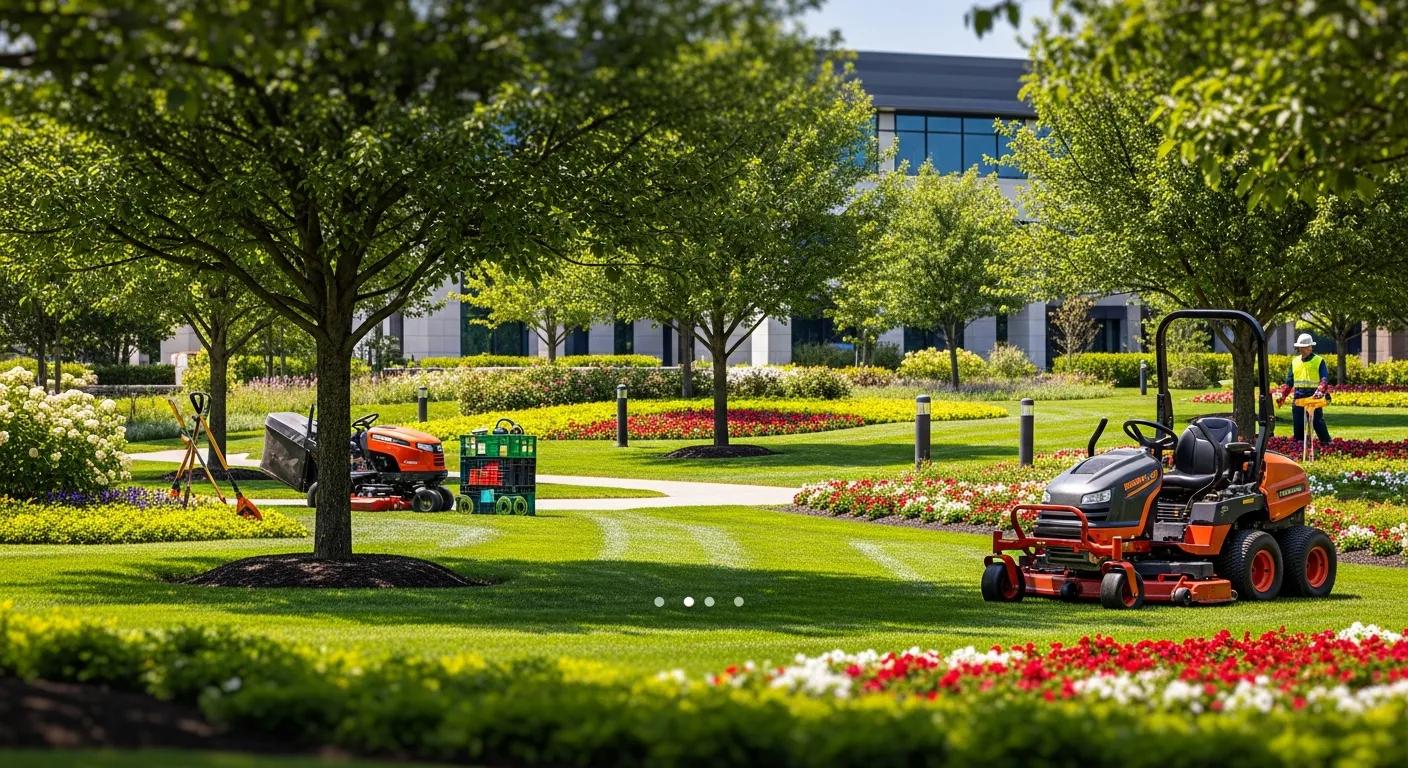
In the realm of commercial landscaping, safety is paramount. This article delves into the essential components of safety-first landscaping, focusing on expert lighting solutions, safe walkway designs, and the significance of slip-resistant surfaces. Readers will learn how these elements not only enhance the aesthetic appeal of properties but also significantly reduce the risk of accidents and injuries. As businesses strive to create safe environments for employees and visitors, understanding the interplay between these landscaping features becomes crucial. This guide will explore the benefits of effective lighting, the design principles behind safe walkways, and the importance of using slip-resistant materials. Additionally, we will discuss how commercial grounds maintenance supports these safety initiatives and the latest UK safety regulations that impact landscaping practices.
Expert Lighting Solutions:
Proper outdoor lighting is a critical aspect of safety in commercial settings. It enhances visibility, deters crime, and ensures that pathways and entrances are well-lit, reducing the risk of accidents. Effective lighting solutions include energy-efficient options such as LED lights, which not only lower energy costs but also provide brighter illumination. Security benefits are also significant; well-lit areas discourage unauthorised access and enhance the overall safety of the property.
For businesses looking to implement these solutions, Spalls Landscaping offers a range of commercial landscape lighting options designed to meet safety standards while enhancing the visual appeal of the property.
Safe Walkway Designs:
The design of walkways plays a vital role in ensuring safety within commercial landscapes. Key elements include accessibility considerations, compliance with health and safety regulations, and features that minimise the risk of accidents. Safe walkway designs incorporate materials that provide adequate grip and are well-maintained to prevent hazards such as slips and trips.
Spalls Landscaping specialises in creating safe walkway designs that not only comply with safety standards but also enhance the overall aesthetic of the property. By integrating thoughtful design elements, businesses can create inviting and secure pathways for their employees and visitors.
Significance of Slip-Resistant Surfaces:
Using slip-resistant materials in landscaping is essential for preventing accidents. These surfaces provide the necessary grip to reduce the likelihood of slips, especially in wet or icy conditions. The effectiveness of slip-resistant surfaces can vary based on the materials used, making it crucial for property managers to choose wisely. landscaping
To illustrate the effectiveness of different slip-resistant materials, the following table compares various options:
| Material Type | Slip Resistance Rating | Maintenance Level | Typical Use Case |
|---|---|---|---|
| Textured Pavers | High | Low | Walkways and patios |
| Rubber Matting | Medium | Medium | Entrances and playgrounds |
| Concrete with Additives | High | Low | Commercial walkways |
This comparison highlights the importance of selecting appropriate materials to ensure safety in commercial landscaping.
What Are the Key Benefits of Commercial Landscape Lighting for Safety?
Commercial landscape lighting offers several key benefits that enhance safety:
- Visibility Enhancement: Proper lighting improves visibility, making it easier for individuals to navigate the property safely.
- Accident Prevention: Well-lit areas reduce the risk of accidents by illuminating potential hazards.
- Overall Property Security: Enhanced lighting deters criminal activity, contributing to a safer environment.
These benefits underscore the importance of investing in quality lighting solutions for commercial properties.
Which Slip-Resistant Walkway Surfaces Are Best for Commercial Properties?
When selecting slip-resistant surfaces for commercial properties, consider the following options:
- Textured Pavers: These provide excellent grip and are ideal for walkways and patios.
- Rubber Matting: Suitable for high-traffic areas, especially entrances and playgrounds, offering good slip resistance.
- Concrete with Additives: This option combines durability with high slip resistance, making it perfect for commercial walkways.
Choosing the right materials is crucial for ensuring safety and compliance with regulations.
How Does Commercial Grounds Maintenance Support Safety-First Landscaping?
Commercial grounds maintenance plays a significant role in supporting safety-first landscaping initiatives. Regular inspections and maintenance ensure that lighting systems are functional and that walkways remain clear of debris and hazards. This proactive approach not only enhances visibility but also contributes to the overall safety of the property.
What Maintenance Practices Ensure Long-Term Walkway Safety?
To maintain walkway safety over the long term, consider implementing the following practices: about
- Regular Inspections: Conduct routine checks to identify and address potential hazards.
- Seasonal Upkeep: Ensure that walkways are cleared of snow, ice, and debris during adverse weather conditions.
- Emergency Response Protocols: Establish procedures for addressing accidents or hazards promptly.
These practices are essential for maintaining safe and accessible walkways.
How Is Commercial Grounds Maintenance Integrated with Lighting and Surfaces?
Integrating grounds maintenance with lighting and surface management is vital for enhancing safety. Routine cleaning and inspections of lighting fixtures ensure optimal performance, while regular maintenance of slip-resistant surfaces helps preserve their effectiveness.
For example, Spalls Landscaping emphasises the importance of a coordinated maintenance approach, ensuring that all safety features work together seamlessly to create a secure environment.
What Are the Latest UK Safety Regulations Affecting Commercial Landscaping?
Understanding the current safety regulations impacting commercial landscaping is essential for compliance and safety. The UK Health and Safety Executive (HSE) guidelines outline specific requirements for landscaping practices, including the use of slip-resistant surfaces and adequate lighting.
How Do UK HSE Guidelines Influence Slip-Resistant Surface Standards?
The UK HSE guidelines set forth standards for slip resistance, requiring that materials used in commercial landscaping undergo rigorous testing and certification processes. Compliance with these standards is crucial for ensuring the safety of walkways and other surfaces.
What Are Compliance Requirements for Commercial Landscape Lighting?
Compliance requirements for commercial landscape lighting include adherence to safety standards that govern installation and energy efficiency. Properly installed lighting systems not only enhance safety but also contribute to sustainability efforts.
How Have Case Studies Demonstrated Safety Improvements in Commercial Landscaping?
Numerous case studies illustrate the positive impact of safety-first landscaping on commercial properties. These examples highlight how effective lighting and slip-resistant surfaces have led to significant safety improvements.
What Success Stories Highlight Effective Slip-Resistant Walkway Installations?
One notable success story involves a commercial property that implemented textured pavers for its walkways. The result was a marked decrease in slip-and-fall incidents, demonstrating the effectiveness of using high-quality materials.
How Have LED Lighting Solutions Reduced Hazards in Commercial Settings?
Another case study showcases a business that transitioned to LED lighting solutions. This change not only improved visibility but also reduced energy costs, contributing to a safer and more sustainable environment.
Frequently Asked Questions
What factors should be considered when designing safe walkways in commercial landscaping?
When designing safe walkways, several factors must be considered to ensure safety and accessibility. These include the choice of materials that provide adequate grip, compliance with health and safety regulations, and the incorporation of features such as proper drainage to prevent water accumulation. Additionally, the layout should facilitate easy navigation and be wide enough to accommodate foot traffic. Regular maintenance is also crucial to keep walkways clear of debris and hazards, ensuring a safe environment for all users.
How can businesses assess the effectiveness of their landscape lighting?
To assess the effectiveness of landscape lighting, businesses should conduct regular evaluations of visibility and coverage during nighttime hours. This can involve walking through the property to identify any dark areas that may pose safety risks. Additionally, monitoring crime rates and incident reports can provide insights into whether improved lighting has deterred criminal activity. Engaging with employees and visitors for feedback on their perceptions of safety can also help gauge the effectiveness of the lighting solutions in place.
What are the best practices for maintaining slip-resistant surfaces?
Maintaining slip-resistant surfaces involves several best practices to ensure their effectiveness over time. Regular cleaning is essential to remove dirt, debris, and any substances that may reduce grip. Inspections should be conducted to identify wear and tear, and any damaged areas should be repaired promptly. Additionally, applying sealants or treatments designed to enhance slip resistance can prolong the life of these surfaces. Seasonal maintenance, such as clearing snow and ice, is also critical to prevent accidents during adverse weather conditions.
What role does landscaping play in overall property security?
Landscaping plays a significant role in enhancing overall property security by influencing visibility and accessibility. Well-maintained landscapes with strategic lighting can deter criminal activity by eliminating hiding spots and ensuring that all areas are visible. Additionally, the design of the landscape can guide foot traffic and create natural surveillance opportunities. Incorporating thorny plants or dense shrubs near vulnerable areas can also act as a physical barrier, further enhancing security while maintaining aesthetic appeal.
How can businesses ensure compliance with UK landscaping safety regulations?
To ensure compliance with UK landscaping safety regulations, businesses should stay informed about the latest guidelines set by the Health and Safety Executive (HSE). This includes understanding requirements for slip-resistant surfaces, adequate lighting, and maintenance practices. Regular training for staff on safety standards and conducting audits of landscaping practices can help identify areas for improvement. Collaborating with certified landscaping professionals who are knowledgeable about compliance can also ensure that all safety measures are effectively implemented and maintained.
What are the benefits of using energy-efficient lighting in commercial landscaping?
Using energy-efficient lighting, such as LED fixtures, in commercial landscaping offers numerous benefits. Firstly, these lights consume significantly less energy than traditional options, leading to reduced utility costs. Secondly, they have a longer lifespan, which means less frequent replacements and lower maintenance costs. Additionally, energy-efficient lighting provides brighter illumination, enhancing visibility and safety on the property. This not only improves the aesthetic appeal but also contributes to sustainability efforts, aligning with corporate social responsibility goals.
Conclusion
Implementing safety-first landscaping solutions significantly enhances the security and accessibility of commercial properties. By prioritising expert lighting, safe walkway designs, and slip-resistant surfaces, businesses can create environments that protect employees and visitors alike. Understanding and adhering to safety regulations further reinforces the value of these initiatives. To explore tailored landscaping solutions that prioritise safety, contact us today.
To learn more or request a quote, contact us today.
